Protect Yourself from SIM Swapping: The 2025 Phone Hijacking Threat
SIM swapping is a fast-growing cyber threat that can steal your phone number and take over your digital life. In seconds, hackers can hijack your calls, texts, and even access your bank accounts. This isn’t a tech glitch - it’s a real and rising danger targeting everyday people.
What is SIM Swapping?
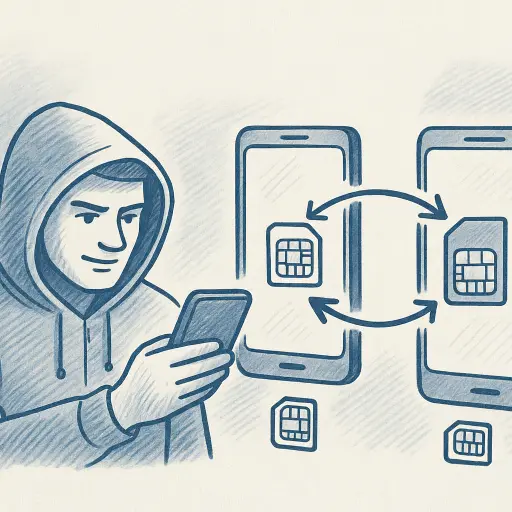
SIM swapping, also known as SIM hijacking or SIM jacking, is a form of identity theft. Attackers trick your mobile carrier into transferring your phone number to a SIM card they control. With control over your phone number, criminals intercept verification codes, reset passwords, and access your personal and financial accounts.
How Does SIM Swapping Work?
Here's a simplified breakdown: 1. Gathering Information: Attackers collect your personal details through phishing scams, data breaches, or social media. 2. Contacting the Carrier: Impersonating you, the attacker contacts your phone company, claiming your SIM is lost or damaged. 3. Verification Bypass: Leveraging collected personal information, attackers answer security questions convincingly. 4. Number Transfer: Your phone company transfers your number to a new SIM controlled by the attacker.
Why Are SIM Swaps So Effective?
Your phone number is increasingly a key to your digital life. It authenticates bank transactions, email logins, and social media accounts. Once attackers control your number, they have immense power over your digital identity.

Real-Life Cases of SIM Swapping
Michael Terpin Case In 2018, Michael Terpin, a cryptocurrency investor, lost approximately $24 million in cryptocurrency due to a SIM swap attack. Terpin filed lawsuits against AT&T for negligence, highlighting the severity and financial consequences of SIM swapping. Jack Dorsey Case Twitter CEO Jack Dorsey fell victim in 2019 when hackers took over his Twitter account through a SIM swap. They posted inappropriate tweets visible to millions, showcasing that even high-profile individuals aren't immune.
How Common is SIM Swapping?
According to data from the FBI, SIM swapping incidents have dramatically increased since 2018, primarily due to the growing reliance on mobile authentication. In 2021 alone, victims reported losses exceeding $68 million from SIM swap-related fraud.
Signs You're a Victim of SIM Swapping
• Sudden loss of service: Calls and texts stop coming through. • Unexpected notifications: Alerts about password resets or unusual logins. • Locked out accounts: Access to your email or financial services suddenly denied.
What to Do if You’re a Victim
Act swiftly: • Contact your mobile provider immediately. • Freeze your financial accounts. • Change passwords and enable additional security measures on all critical accounts.
How to Protect Yourself from SIM Swapping
Enhance Account Security • Use App-Based Two-Factor Authentication (2FA): Instead of SMS, opt for Authentication Apps. • Strong, Unique Passwords: Create complex passwords and update them regularly. Strengthen Carrier Security • PIN Protection: Add a strong, unique PIN or passcode to your mobile account. • Security Questions: Choose unique, hard-to-guess answers or opt for randomized responses stored securely. Practice Good Cyber Hygiene • Limit Personal Information Sharing: Minimize sharing personal details publicly, especially on social media. • Monitor Accounts Regularly: Regularly check accounts for unusual activities and set up alerts.
Takeaway from Seeking Solace™
SIM swapping is a serious and escalating threat in our digital age. However, proactive measures and heightened awareness significantly reduce your risk. Stay informed, vigilant, and prioritize your digital security to protect your identity and assets.
Helpful Resources to Prevent SIM Swapping
About the author

Paul Pioselli is the Founder and CEO at Solace - Truly Personal Cybersecurity, a concierge cybersecurity firm based in Connecticut. Drawing on Fortune-15 executive experience and advanced technical expertise, Paul specializes in protecting individuals, executives, professionals, and families from online threats, digital fraud, and privacy breaches. His hands-on approach has helped clients recover from hacking incidents, strengthen their digital defenses, and regain peace of mind. Paul’s insights on personal cybersecurity and digital risk management have been featured in local media outlets ( 06680 Cyber Defense Magazine ) and community outreach programs across Greenwich, Westport, Darien and beyond. Recognized for translating complex security concepts into clear, actionable steps, he continues to be a trusted local authority on hacking prevention, identity theft protection, and scam recovery. Through Solace, Paul shares practical strategies that empower individuals to take control of their digital safety.
Have You Been Hacked?
Our dedicated Personal Cybersecurity Advisors are here to assist you.
Related Articles
How to Verify a Cybersecurity Company Is Legitimate
How to Hire a Cybersecurity Expert for Personal Protection